Tensile Strength & Yield Points of Seamless Alloys: Architectural Gutter Metal Mechanics Reference

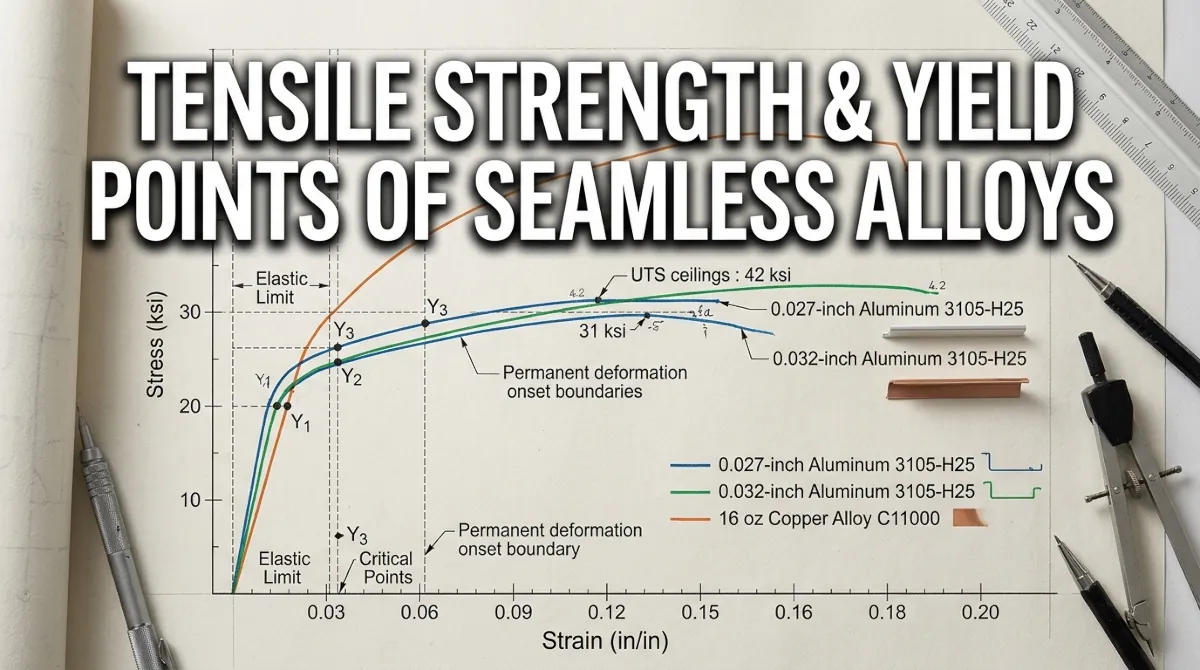
Tensile strength & yield points of seamless alloys — stress-strain curve data for .027 vs .032 aluminum and 16 oz copper with bending resistance math and gauge comparison.

Tensile Strength & Yield Points of Seamless Alloys: Architectural Gutter Metal Mechanics Reference Every gutter trough in service is under load. Static dead weight, dynamic water flow, ice accumulation, wind uplift, debris bridging, and ladder contact all apply stress to the metal at different magnitudes and from different directions. What determines whether that stress produces … Read more
Fastener Pull-Out Wood Mechanics & Fascia Torque: Gutter Anchor Substrate Reference

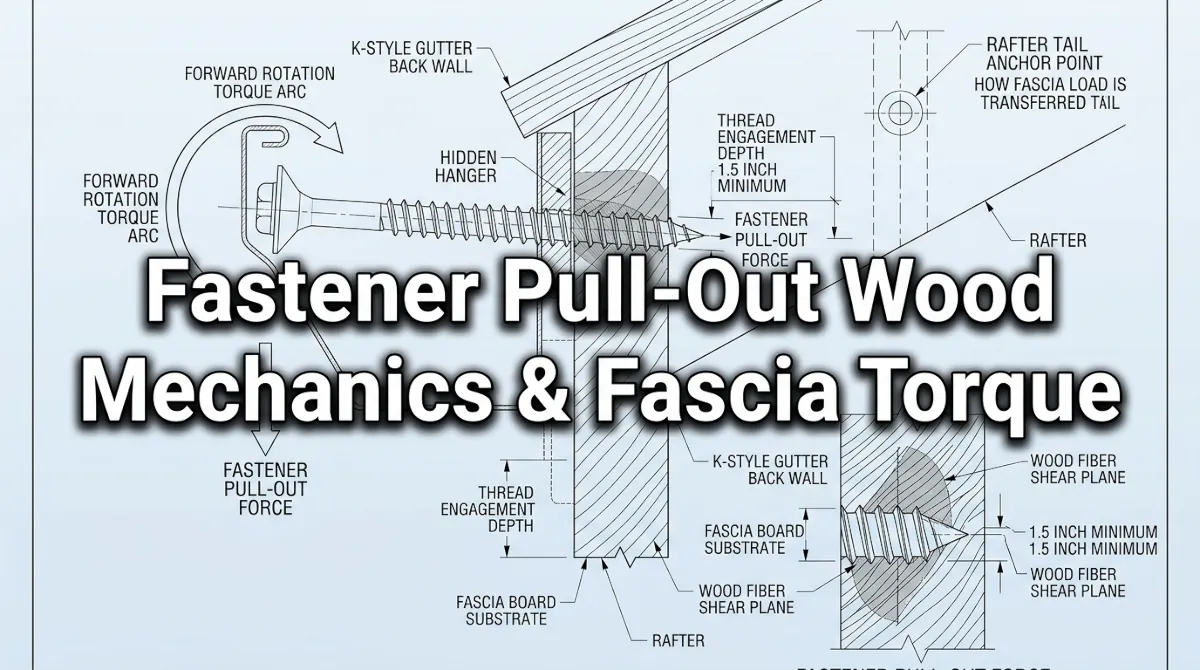
Technical cross-section engineering diagram showing fastener pull-out wood mechanics and fascia torque forces on a gutter hanger screw driven into SPF fascia board substrate with annotated thread engagement depth, wood grain fiber shear plane, and forward rotation torque vector

Fastener Pull-Out Wood Mechanics & Fascia Torque: Fastener Field Manual A guttering system is only as structurally sound as the wood it is anchored into. The hanger, the screw, the trough geometry — none of it matters if the fastener is pulling through degraded wood fiber under load. Fastener pull-out wood mechanics & fascia torque … Read more

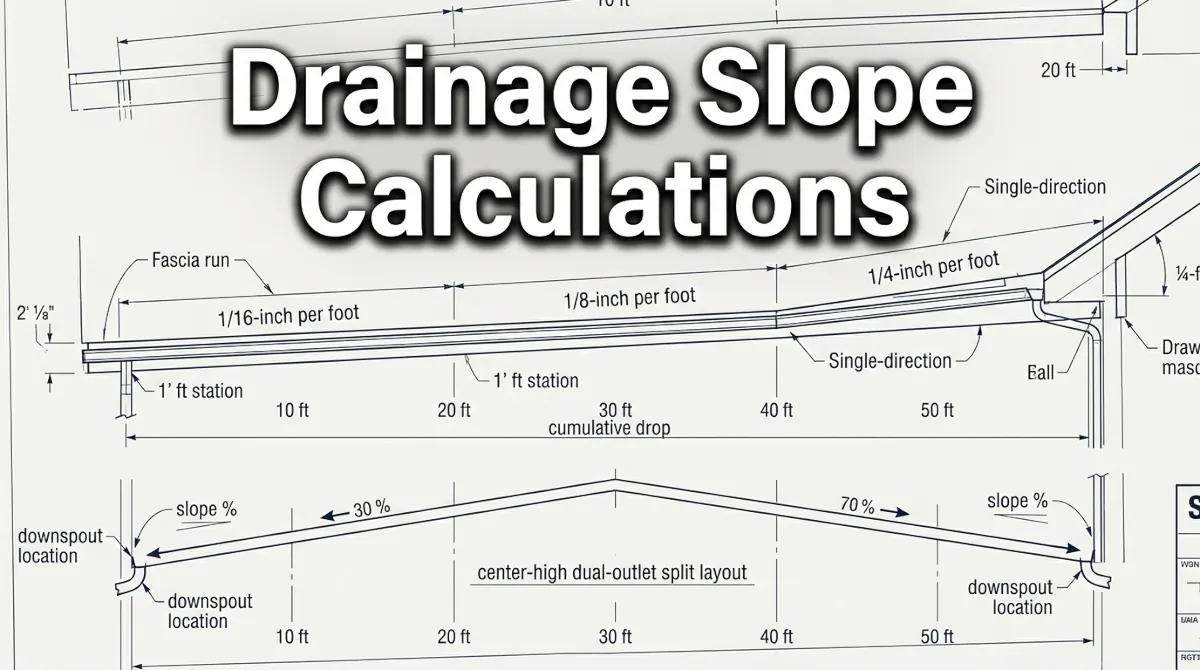
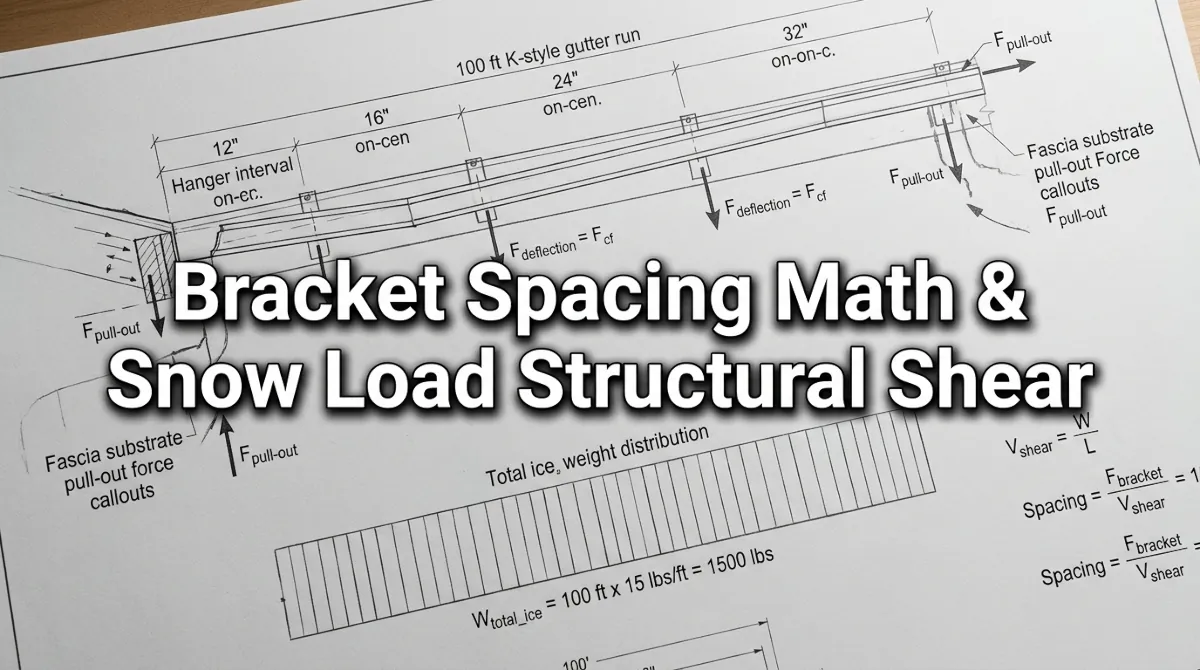
Bracket Spacing Math & Snow Load Structural Shear: Fascia Hanger Load Reference

Structural engineering diagram showing bracket spacing math and snow load structural shear calculations for a 100-foot K-style gutter run with annotated ice weight distribution, hanger interval markers, fascia pull-out force vectors, and deflection limit indicators

Fascia Bracket Deflection & Snow Load: Structural Blueprint Bracket spacing math & snow load structural shear calculations are the most consistently skipped structural step in residential guttering installation. Standard production practice sets hangers at 24 or 32 inches on-center, drives them into the fascia board, and moves on. That interval is adequate for a dry … Read more

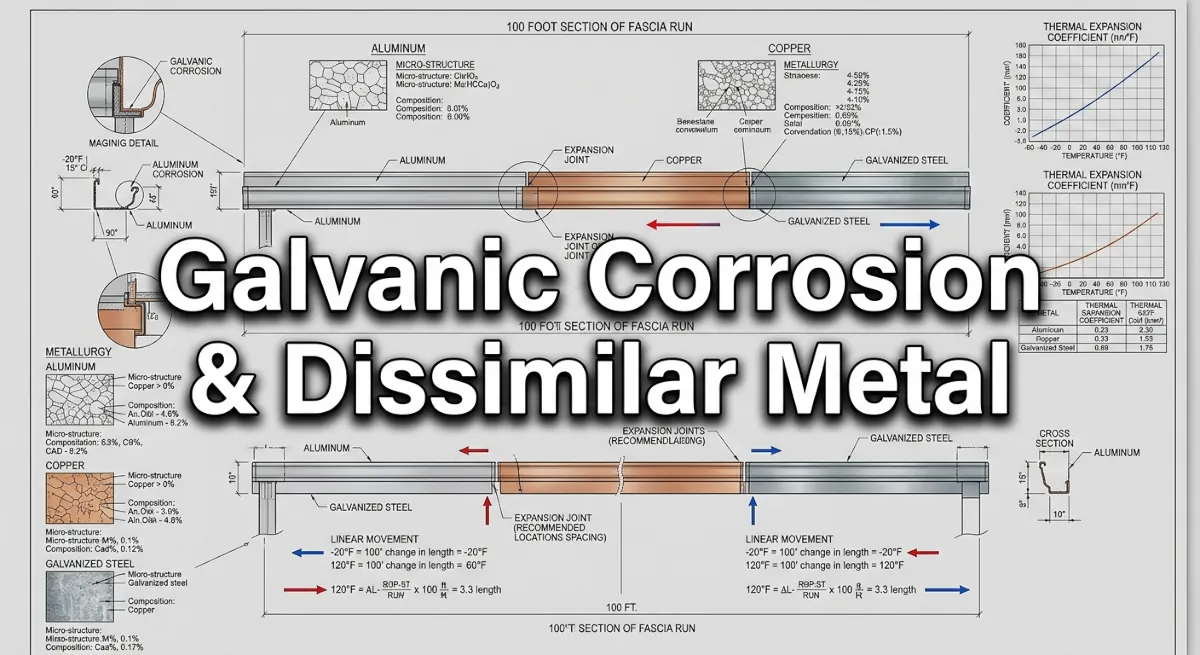
Galvanic Corrosion & Dissimilar Metal: Field Isolation Guide

Galvanic Corrosion Dissimilar Metal

Galvanic Corrosion & Dissimilar Metal Mitigation in Architectural Guttering Systems Every time an installer drives a steel screw through a copper gutter trough, or routes copper downspout discharge into an aluminum leader, an electrochemical reaction begins. It is invisible on installation day. It is measurable within one season. It is structurally destructive within three to … Read more

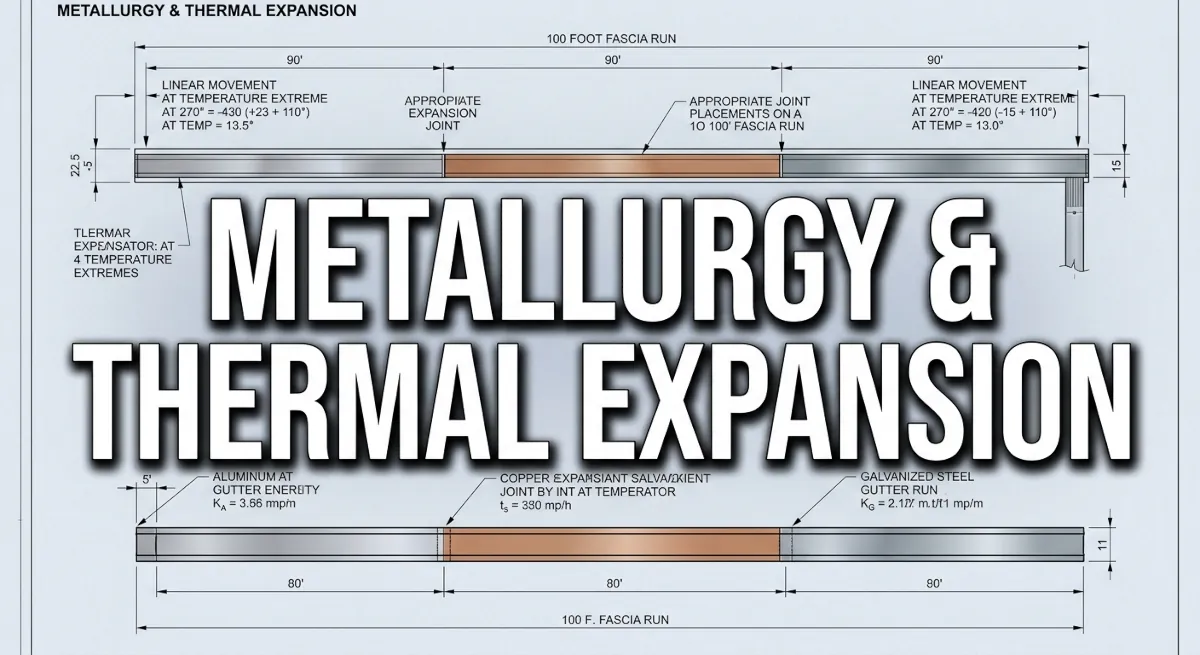
Metallurgy & Thermal Expansion: Gutter Metal Field Reference

Metallurgy & Thermal Expansion

Metallurgy & Thermal Expansion: Architectural Gutter Metal Coefficient Reference Metal moves. Every contractor working in the exterior envelope understands this at a general level — but the ones who build drainage systems that last 30 years understand it at a coefficient level. The gap between those two positions is exactly where chronic joint failures, torn … Read more

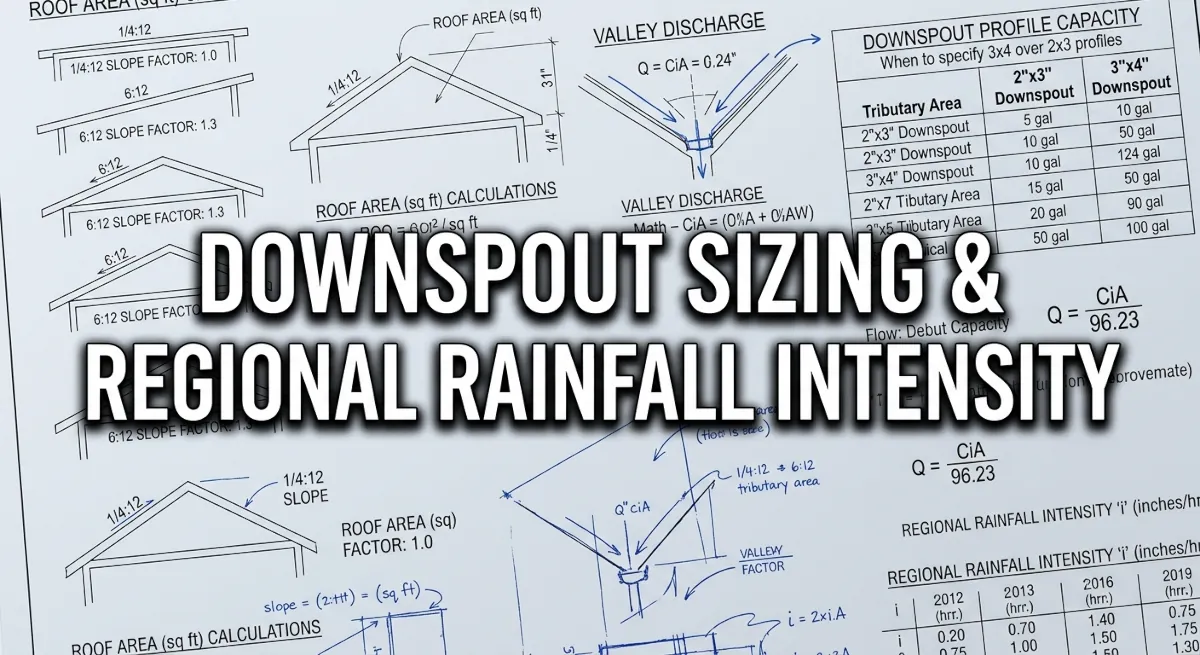
Downspout Sizing & Regional Rainfall Intensity: Field Manual

Downspout Sizing & Rainfall Intensity

Downspout Sizing & Regional Rainfall Intensity: IRC Calculation Reference The most consistent installation error in residential guttering work is not a pitch problem or a sealant failure — it is an undersized downspout specified by visual habit rather than calculated drainage load. The standard field practice of placing one 2×3 downspout per 30 to 40 … Read more

K-Style & Half-Round Hydraulic Flow: Cross-Sectional Capacity Reference

K-Style Half Round Hydraulic Flow

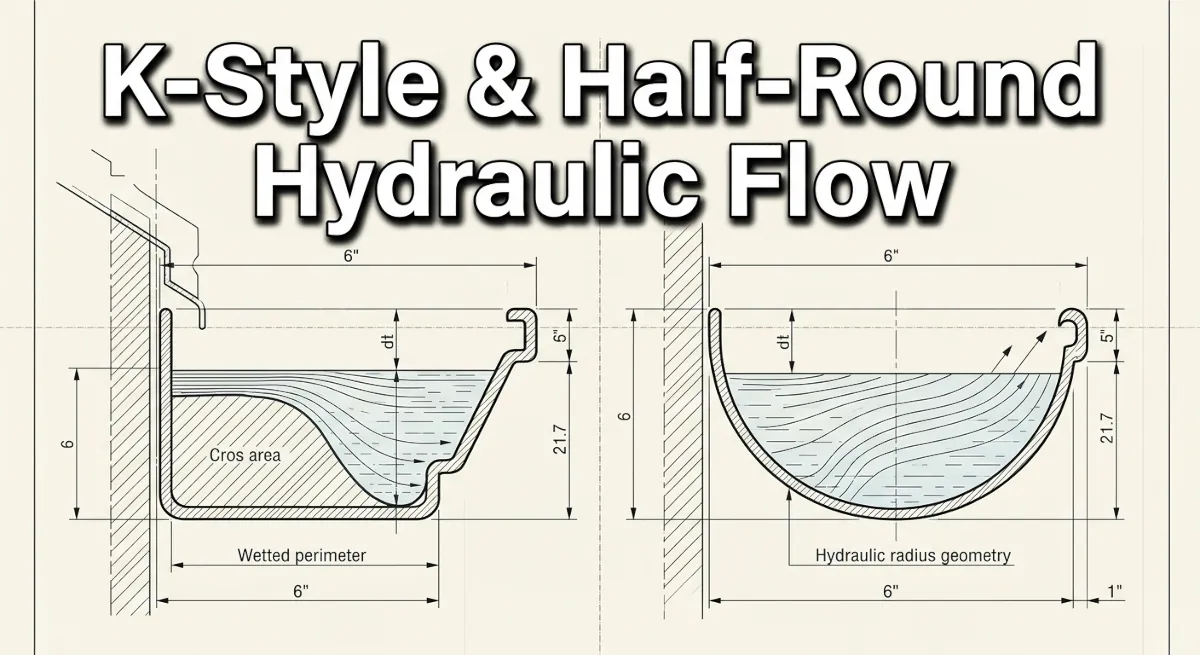
K-Style & Half-Round Hydraulic Flow: Cross-Sectional Capacity Reference The single most common specification error made when substituting a half-round gutter profile for a K-style profile — or vice versa — is assuming that nominal size equals equivalent flow capacity. It does not. A 6-inch half-round gutter and a 6-inch K-style gutter share a nominal width … Read more

Milwaukee M12 Fuel Driver Technical Review: Contractor Field Guide

Milwaukee M12 FUEL Driver

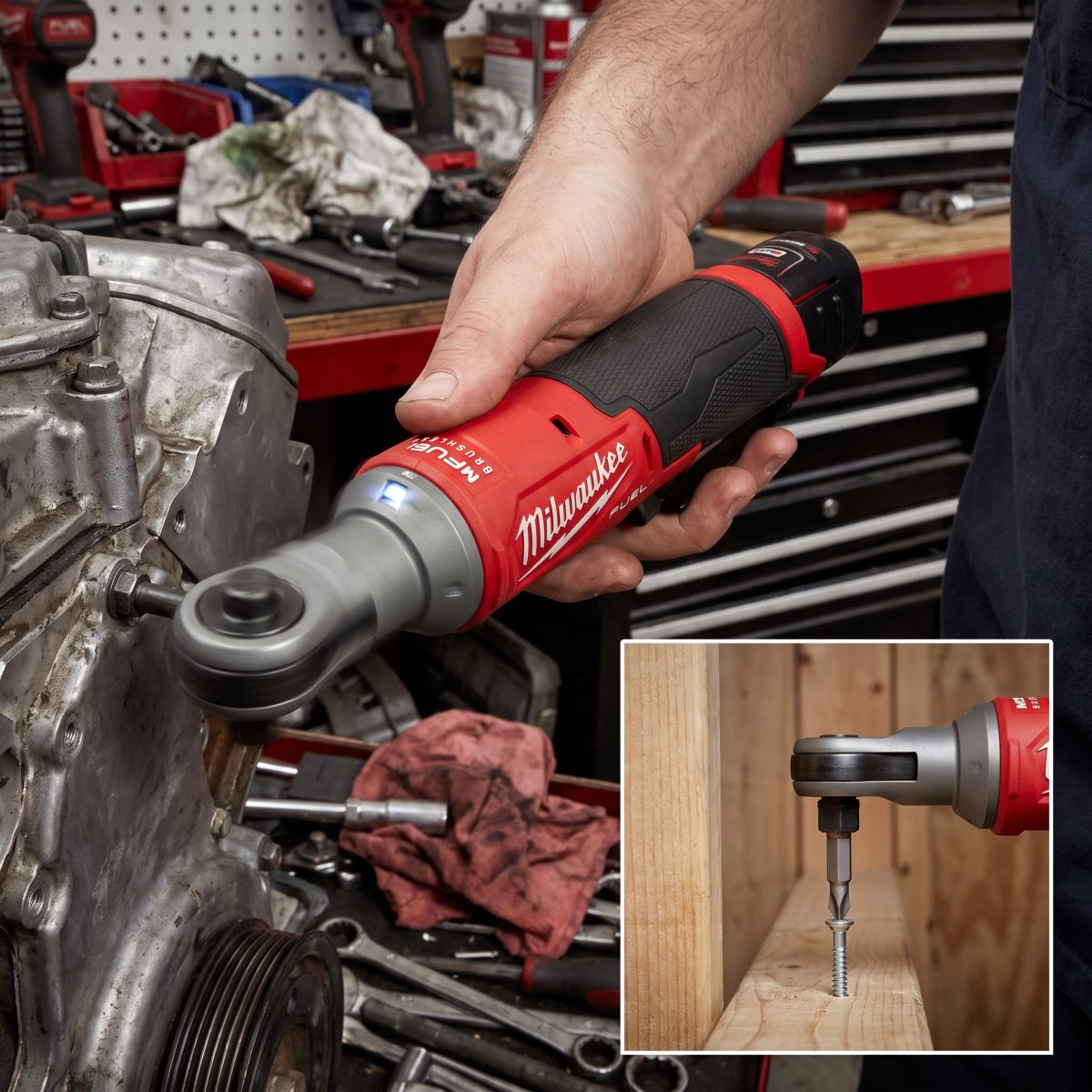
Milwaukee M12 Fuel Driver: Technical Field Reference The Milwaukee M12 Fuel Driver combo kit — specifically the 12-Volt Lithium-Ion Cordless 3/8 in. Ratchet and Screwdriver package — is a compact brushless tool platform engineered for precision access work, confined-space fastening, and repetitive-task applications where a full-size 18-volt impact driver introduces too much bulk or torque … Read more